

How to Remove Rust From Stainless Steel
How to Remove Rust From Stainless Steel
The beauty of using stainless steel in a kitchen is its durability and resistance to rust. However, over time if not regularly maintained you may find spots of rust. With the right tools and a bit of know-how, you can reverse time (or at least the rust). Here’s how to tackle those pesky orange spots and restore your sleek steel to its original shiny state.
What Causes Rust on Stainless Steel?

Before we dive into how to remove rust from stainless steel, let’s touch on why stainless steel, known for its resistance to rust, can still fall victim to it. The key is in the name: “stain-less”, not “stain-free”.
Your stainless steel bench is made up of iron, chromium and other components. It is the chromium content that gives stainless steel its corrosion-resistant properties. Discolouration caused by non-structural surface staining can appear on stainless steel due to the breakdown of the chromium oxide layer. It can be easily cleaned by following one of the following methods – though prevention is the key here. We highly recommend regular cleaning and removal of dust, and ensure you dry your bench with a clean cloth and remove any water spots.
How to Remove Rust from Stainless Steel Home Remedies?
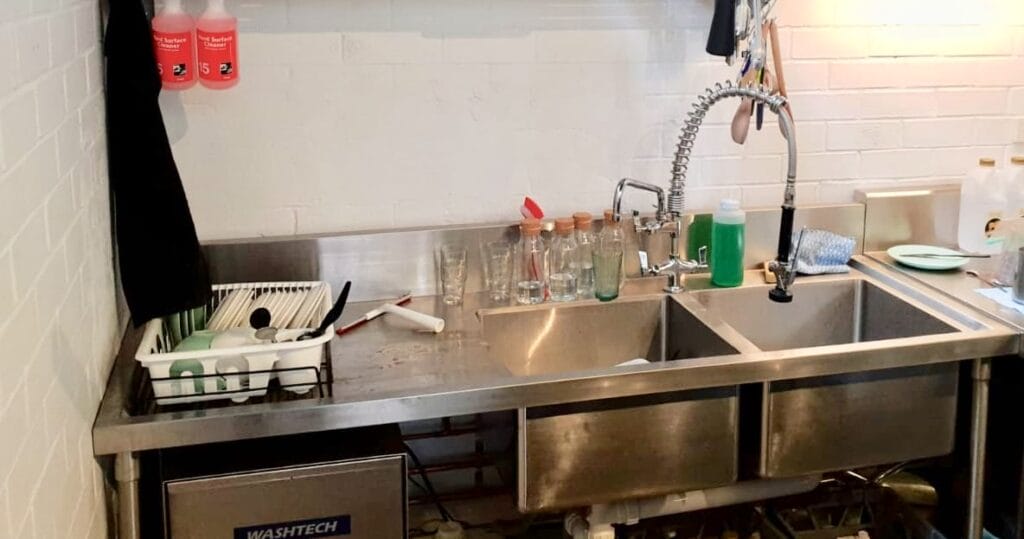 You’ve got options, some can be found right in your very own kitchen. Always test a small, inconspicuous rusty spot on your stainless steel appliances or surfaces before moving on to larger surfaces. You want to ensure the cleaning method of your stainless steel is more of a gentle breeze than a hurricane to your shining appliances and surfaces. And always rub in the direction of the grain.
1. Baking Soda
Mix water with baking soda to create a paste, aiming for a consistency that won’t run off the surface. Spread this homemade rust remover over the rusted spots on your stainless steel surface. Feel free to cover the area generously.
Using a soft cloth, a soft-bristled brush, or a damp sponge, scrub the area gently. Always go with the grain of the stainless steel; think of it as petting a cat—you wouldn’t go against the fur. After a bit of scrubbing, rinse the area with water and pat it dry with a soft cloth. Voilà! You should see a significant improvement.
2. Stainless Steel Cleaner
We recommend Hillmark Steel Kleen. Follow the instructions laid out by the manufacturer of the stainless steel cleaner. These cleaners are specially formulated to tackle rust and leave behind a protective layer on the metal surface.
Apply the cleaner as directed, scrub gently with a soft cloth, and then either rinse or wipe away as instructed. The result? A rust-free surface that looks brand new.
What to Avoid When Removing Rust From Stainless Steel
 Embarking on a rust-removal quest feels a bit like being a kitchen superhero. But even superheroes have to play by the rules to avoid turning their powers against them.
When it comes to how to remove rust from stainless steel, there are a few “villains” you’ll want to steer clear of. Let’s uncover the no-nos of rust removal to ensure your stainless steel lives happily ever after.
Harsh Chemicals: The Kryptonite
Think of harsh chemicals as the kryptonite to your stainless steel. They might promise to zap away rust faster than you can say “stainless,” but at what cost? These chemicals can damage the protective layer of your stainless steel, leaving it more vulnerable than ever. Rather than commercial rust removers, stick to the gentler, kinder methods we’ve outlined above.
Steel Wool: The Arch Nemesis
Steel wool might seem like your ally in the fight against rust, but it’s actually an arch-nemesis in disguise. Using steel wool on stainless steel is likely to cause more harm than good. The abrasive nature of steel wool or other metal brushes can scratch the surface of your stainless steel, leaving it looking worse than when you started. Opt for a soft cloth or soft bristle brush to keep the peace.
Citrus & Vinegar:
Whilst vinegar and lemon juice has been used for cleaning steel, its acidic nature can cause damage and discolouration. We recommend you steer clear of these solutions.
Bleach: The False Friend
Bleach may be a go-to for tough cleaning jobs, but when it comes to stainless steel, it’s a false friend. Not only can bleach discolour your stainless steel, but it can also lead to further corrosion. If bleach has accidentally made contact with your stainless steel, neutralise the area with a solution of water and baking soda, then rinse thoroughly.
Ignoring the Grain: The Rookie Mistake
Ignoring the grain of stainless steel while cleaning is a rookie mistake that can lead to scratches and dullness. Always clean in the direction of the grain, as if you’re gently combing the hair of a beloved pet. This keeps your stainless steel looking its best.
Forgetting Protection: The Overlooked Step
Finally, not protecting your stainless steel after rust removal is like forgetting to wear a coat in a snowstorm. Applying a layer of stainless steel polish or olive oil after cleaning not only adds shine but also provides a protective barrier against future rust.
In the realm of rust removal, knowledge is power. By knowing what to avoid, you can keep your stainless steel shining like the beacon of hope it was always meant to be. Armed with these tips and tricks, you’re now fully equipped to tackle rust while keeping your stainless steel in superhero condition.
Stainless Steel Rust FAQs
How Does Baking Soda Remove Rust?
Baking soda is an alkaline substance that neutralises acids. When rust comes into contact with the baking soda solution, it dissolves, leaving your stainless steel gleaming. It’s also mildly abrasive, so you can scrub stubborn rust without damaging your surface.
How to Remove Rust from Stainless Steel Utensils?
You can scrub your stainless steel utensils with a baking soda paste. Wipe your utensils like normal afterwards to bring back the shine.
Prevention is Key: Keeping Your Stainless Steel Gleaming
 Learning how to remove rust from stainless steel is an invaluable skill. However, choosing top-grade stainless steel is the best way to prevent rust from building up in the first place. Contact us and let’s have a chat—with multiple depots across Australia and New Zealand, we can have your premium quality stainless steel ready for pick-up or dispatch within 24 hours of your order being placed.
Back to top: How to Remove Rust From Stainless Steel
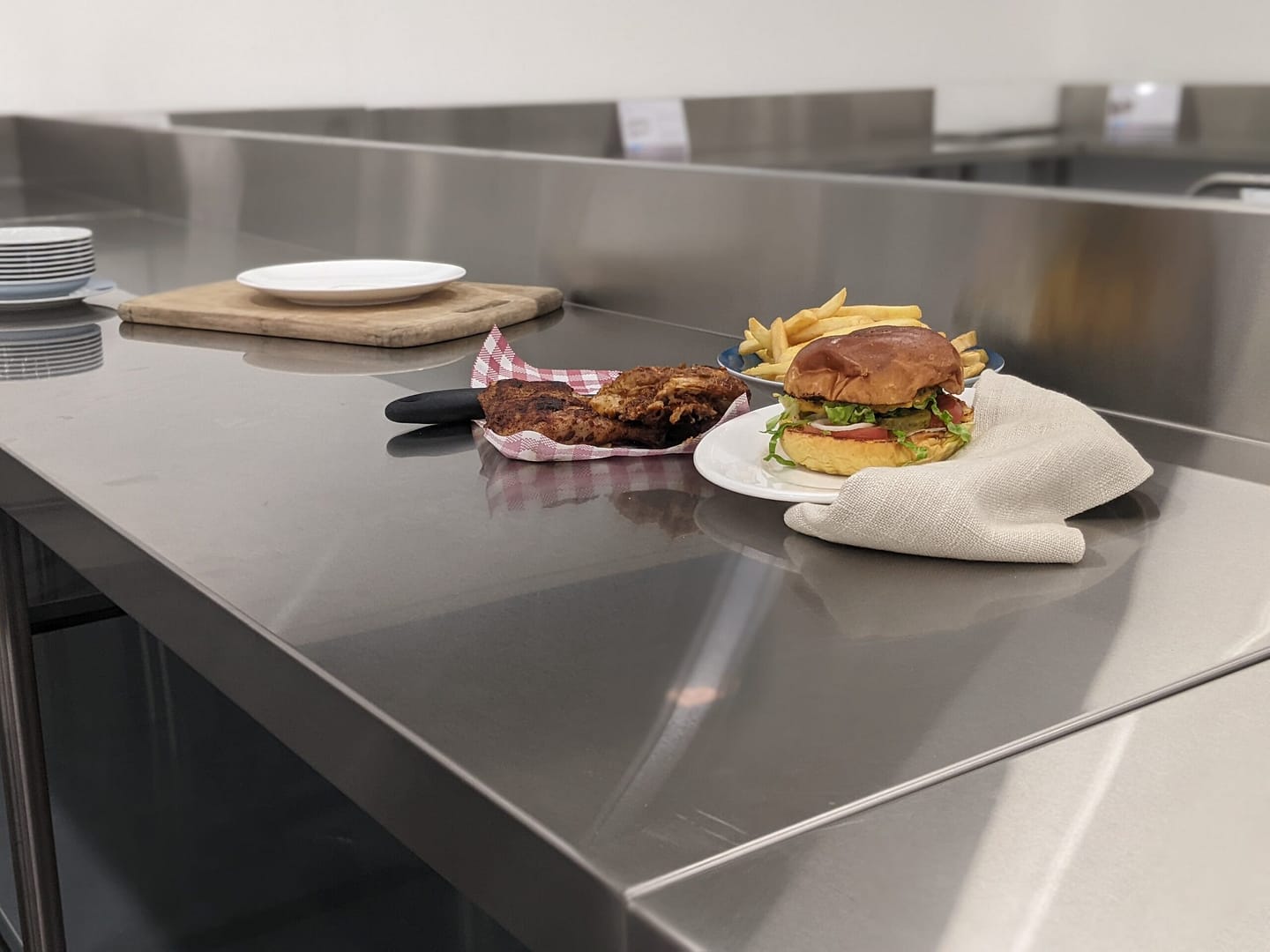
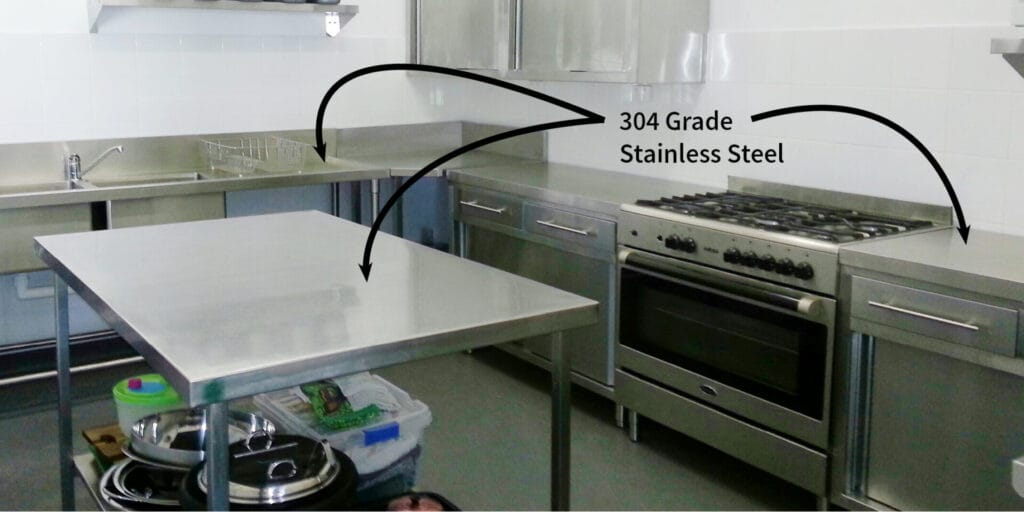
 Strength and durability? 304 stainless steel has them in spades. This stuff is tough enough to handle the hustle and bustle of commercial kitchens without breaking a sweat. Think of it as the kitchen warrior that won’t dent or give up on you when you accidentally drop that heavy pot. It’s built to last, making it a wise investment for any serious kitchen setup.